
11, May 2026
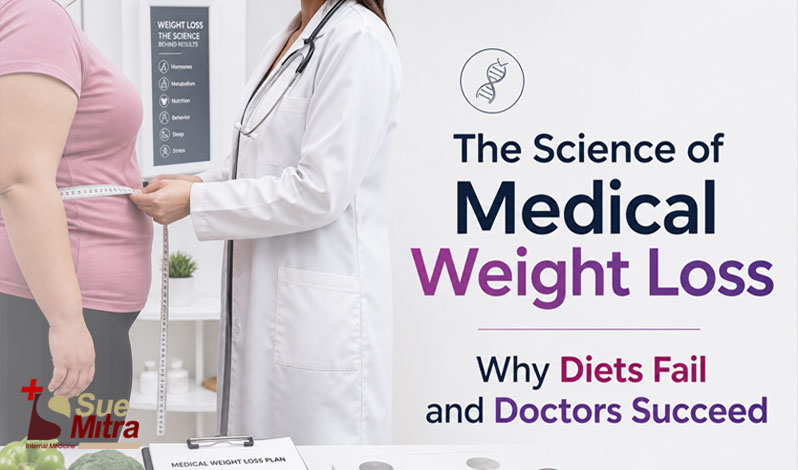
Medical Weight Loss Program and Sustainable Weight Loss are key to achieving lasting results, yet many people still rely on fad diets or quick fixes that rarely work long term. While these approaches may offer temporary success, the weight often returns. By understanding the science of weight loss, it becomes clear why these methods fail and how a structured, medically guided approach can support healthier, more sustainable outcomes.
Here are the key insights that explain the difference:
Weight Loss Is More Than Calories In vs. Calories Out
While calorie balance plays a role, weight loss is influenced by hormones, metabolism, genetics, and lifestyle factors. Crash diets ignore these complexities, often slowing metabolism and making long-term success harder.
Fad Diets Are Not Designed for Longevity
Most popular diets are restrictive and difficult to maintain. They may deliver short-term results, but they rarely promote habits that support Sustainable Weight Loss, leading to a cycle of losing and regaining weight.
The Role of Hormones in Weight Gain
Hormones like insulin, cortisol, and leptin regulate hunger, fat storage, and energy use. Without addressing these factors, even the strictest diets can fail. A medically guided approach evaluates and manages these imbalances.
Personalized Plans Make the Difference
A Medical Weight Loss Program provided by professionals like Dr. Sue Mitra in Melbourne, Florida, is tailored to each individual. It considers medical history, current health conditions, metabolism, and lifestyle, ensuring a more effective and realistic plan.
Continuous Monitoring and Adjustments
Unlike DIY diets, medical weight loss involves regular check-ins, progress tracking, and plan adjustments. This ongoing support helps patients stay on track and overcome plateaus safely.
Evidence-Based Treatments and Support
Doctors may incorporate clinically approved medications, nutritional guidance, and behavioral counseling when necessary. These tools are backed by science and designed to enhance results while maintaining safety.
Focus on Long-Term Lifestyle Changes
Instead of temporary restrictions, medical programs emphasize healthy eating habits, portion control, and physical activity. This builds a strong foundation for lifelong health and weight management.
Addressing Underlying Health Conditions
Conditions such as thyroid disorders, insulin resistance, or hormonal imbalances can hinder weight loss. A physician-led approach identifies and treats these issues, removing barriers to progress.
Accountability and Professional Guidance
Having expert support increases motivation and accountability. Patients are more likely to stay committed when guided by a knowledgeable healthcare provider.
A Holistic Approach to Wellness
Beyond weight loss, medical programs focus on overall well-being—improving energy levels, reducing disease risk, and enhancing quality of life.
Conclusion
Diets often fall short because they overlook the deeper science of how the body functions. A professionally guided Medical Weight Loss Program focuses on identifying root causes and building strategies that support true Sustainable Weight Loss. If you're ready to move beyond temporary fixes and invest in lasting health, connecting with Dr. Sue Mitra in Melbourne, Florida can be a powerful first step. To learn more or begin your journey, you can reach the office at 321-622-6222 or explore available services online at suemitra.com—your path toward healthier living starts with informed, expert care.
Dr. Sue Mitra and her staff strive to offer their patients the best care, advice and services available in the medical field with the goal to keep patient healthy & happy.

Dr. Sue Mitra is board certified in international medicine. She is seen here with a Cologuard, which is a noninvasive colon cancer screening test. (Photo by: Tim Shortt/Florida Today)